Planned Around the Project
Installation sequencing is coordinated with construction access, programme, lifting, storage, power and completed building interfaces.


Professional elevator installation, system integration, testing and commissioning coordinated around your building and project programme.
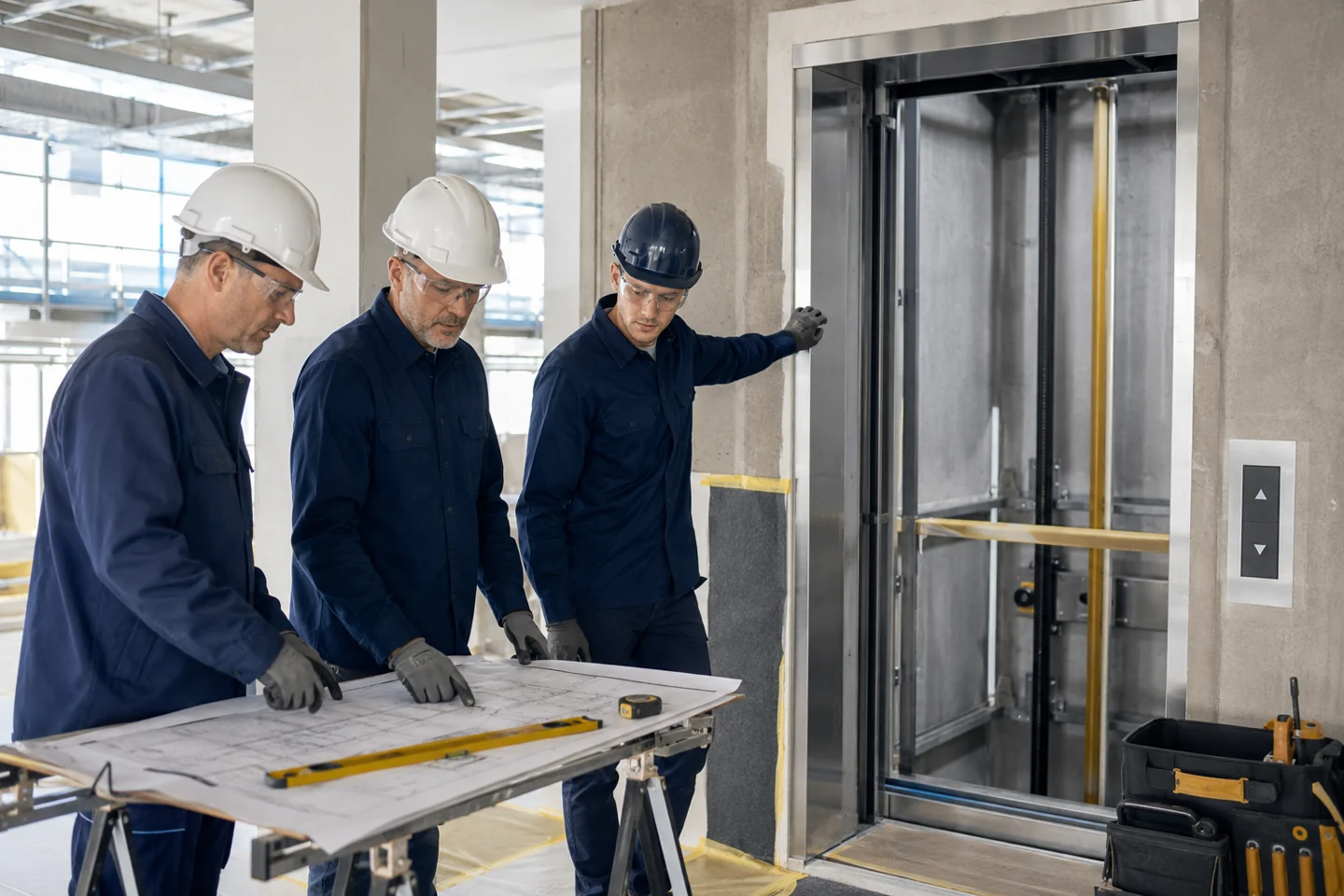
A reliable elevator installation depends on approved information, a ready building, controlled delivery, qualified workmanship and careful coordination with the builder and project team. FUJI-HITECH manages these connected activities through a clear installation process.
Installation sequencing is coordinated with construction access, programme, lifting, storage, power and completed building interfaces.
Mechanical, electrical, door, control and safety components are installed as one integrated vertical-transportation system.
Adjustment, functional checks and commissioning activities are completed against the approved equipment and agreed project scope.
The exact scope is confirmed for each product, building and contract. Typical installation activities include the following workstreams.
Review the installation area, shaft, pit, overhead, openings, access and builder-provided interfaces before mobilisation.
Set out and install guide rails, brackets, supports and associated components in accordance with approved project information.
Install the applicable traction machine, ropes or belts, sheaves, counterweight and related equipment for the selected configuration.
Assemble the car, doors, operator, landing entrances, fixtures, indicators, control panels, handrails and selected finishes.
Connect controllers, travelling cables, position devices, communication interfaces and project power provisions within the agreed scope.
Install and verify applicable interlocks, protection devices, emergency functions and operational safety features before handover.
Every project is different, but a clear sequence helps protect quality, safety and programme coordination.
Confirm equipment, drawings, programme, responsibilities and outstanding project requirements.
Review shaft conditions, access, storage, lifting, power and builder-provided works before mobilisation.
Plan equipment arrival, unloading, protection, movement and secure storage around the live site programme.
Complete set-out, guide systems, drive equipment, car, entrances, doors and associated assemblies.
Install control, wiring, fixtures, communication and other electrical interfaces within the agreed scope.
Adjust travel, levelling, doors, controls, signals, ride behaviour and applicable operating functions.
Conduct agreed inspections, safety checks and functional testing against approved project requirements.
Close agreed items, provide relevant handover information and transition the system into operational support.
Before the team mobilises, the installation environment and builder-provided works need to align with the latest approved documentation and agreed programme.
Shaft & Structure Required dimensions, pit, overhead, openings, supports and construction tolerances are ready for verification.
Safe Access Delivery route, working access, edge protection, lighting and controlled work areas are available.
Storage & Lifting Protected equipment storage and agreed lifting or material-handling provisions are ready.
Power & Services Temporary and permanent power, earthing, lighting and other required services are coordinated.
Programme Interfaces Wet trades, finishes and adjacent activities are sequenced to protect completed elevator work.
Installation methods and site requirements are planned around the selected product and approved configuration.
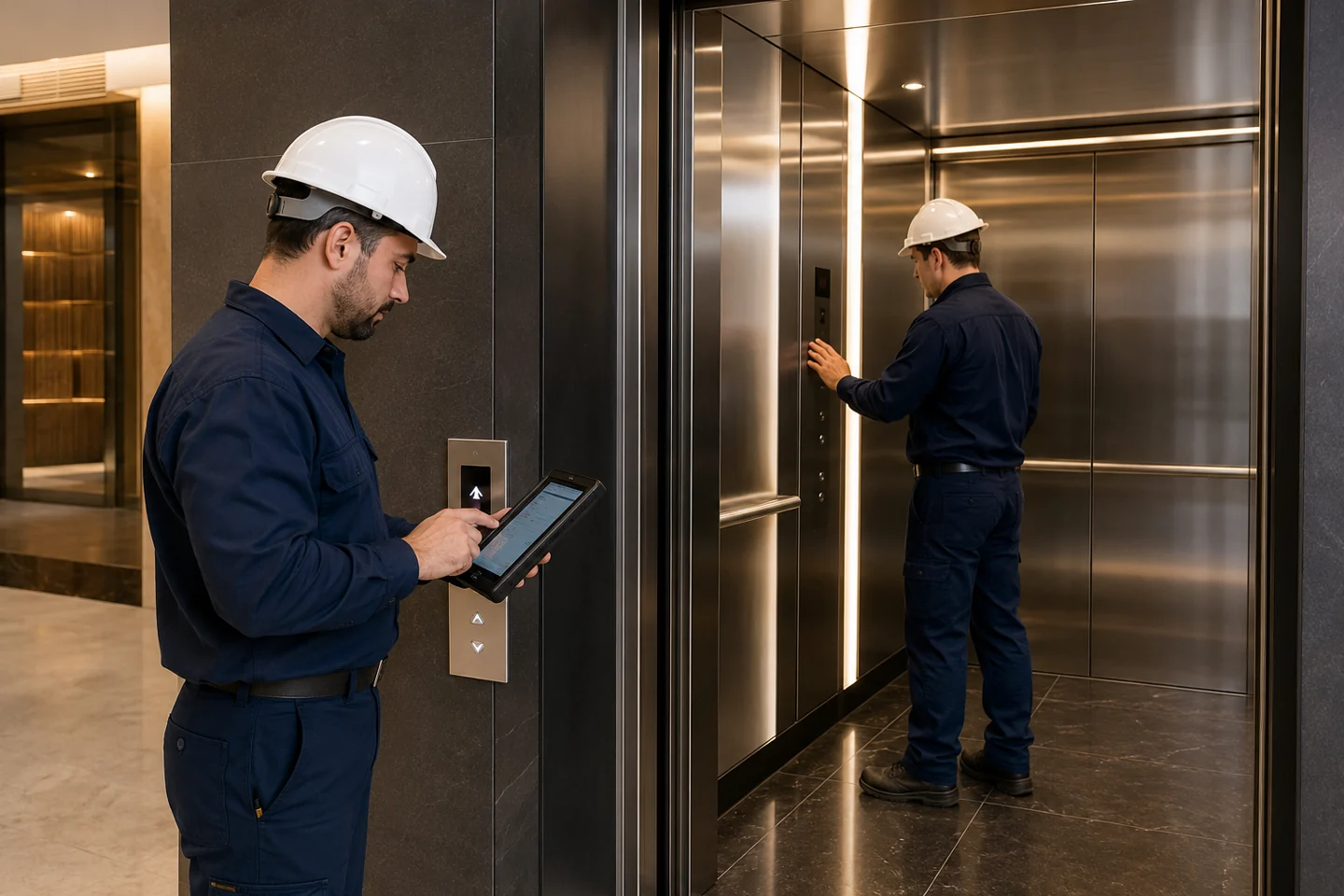
Commissioning activities are completed for the approved product and agreed project requirements.
Once installation is complete, the elevator is adjusted and reviewed as an integrated system. The exact inspection, testing and documentation requirements depend on the product, contract and applicable project obligations.
Review movement, stopping, floor alignment and ride behaviour.
Check door operation, clearances and applicable protection functions.
Verify calls, indicators, controls and selected operating functions.
Confirm applicable safety and emergency functions within the agreed scope.
Inspect visible equipment, landings and coordinated building interfaces.
Compile the relevant completion information and operational transition items.
Work areas, access, sequencing and installation activities are considered before mobilisation and throughout delivery.
Installation is coordinated against the selected equipment and current approved project documentation.
Mechanical, electrical and finish details are treated as parts of one complete operating system.
Project interfaces, readiness items, progress and completion requirements are coordinated with the project team.
Responsibilities vary by contract. Defining interfaces early helps the elevator contractor, builder and consultants work to the same installation plan.
Useful answers before equipment is delivered to site.
Planning should begin before the shaft and associated building works are finalised. This allows access, delivery, storage, power, lifting, programme and trade interfaces to be coordinated before mobilisation.
Duration depends on the product, number of stops, site access, project readiness, installation sequence and agreed scope. FUJI-HITECH can provide a project-specific programme after reviewing the selected equipment and site conditions.
Typical items include the approved shaft and openings, safe access, lighting, storage, lifting arrangements, suitable power and coordinated builder interfaces. Final requirements are confirmed for the specific project.
Yes. Installation planning can cover FUJI-HITECH elevators, escalators and moving walks. Their logistics, structural interfaces and installation methods are assessed separately for each project.
The service can include adjustment, functional testing, commissioning and agreed handover documentation. The precise scope and applicable approval process are confirmed in the project proposal and contract.
Yes. Maintenance and technical support can be arranged to help protect long-term performance after the system enters service.
Send us your drawings, programme and site information for a practical FUJI-HITECH installation review.