Condition-Based Attention
Service activities consider equipment condition, usage, environment, previous findings and manufacturer or project information.
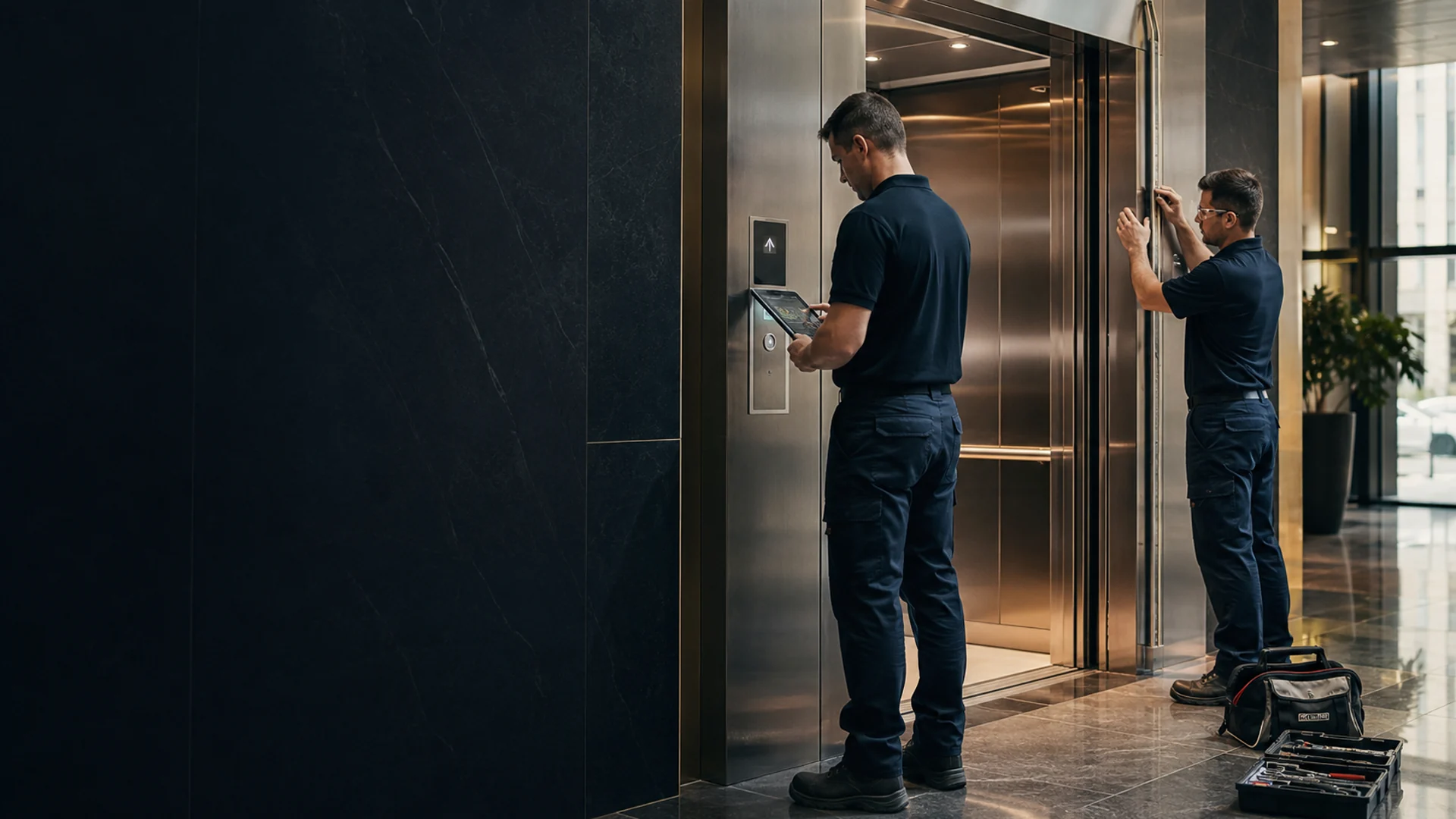
Planned maintenance, technical diagnostics and corrective repairs designed around your elevator, building use and service requirements.
Elevators combine mechanical, electrical, door, control and safety systems that operate together every day. Professional maintenance helps monitor condition, identify developing issues and keep service decisions clear throughout the equipment lifecycle.
Service activities consider equipment condition, usage, environment, previous findings and manufacturer or project information.
Doors, drive equipment, controls, safety functions and ride behaviour are considered as parts of one operating system.
Findings, completed activities and recommended corrective work can be documented to support informed building decisions.
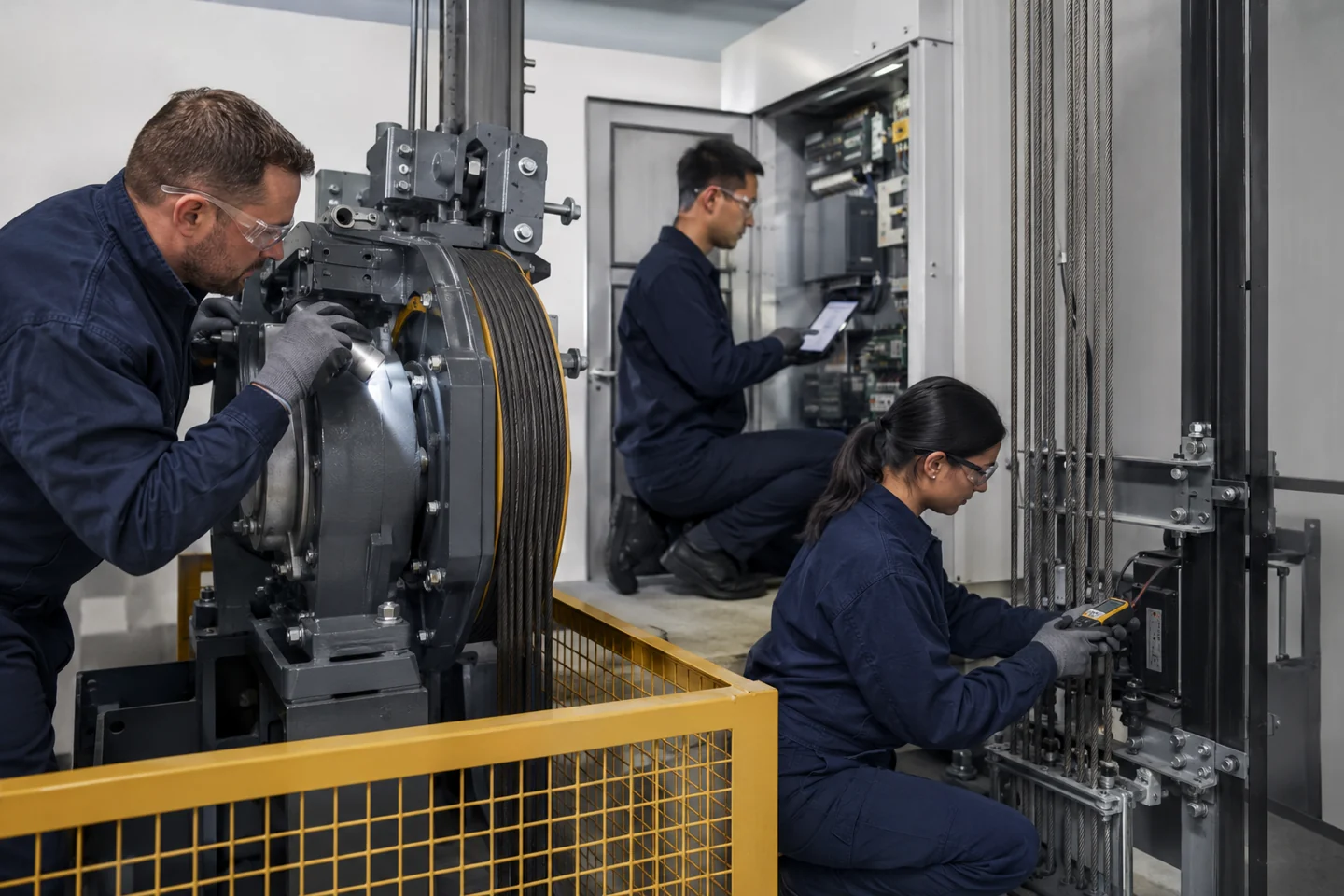
Maintenance and repairs serve different purposes but work best as part of one clear asset-care approach.
Scheduled service provides structured opportunities to inspect, clean, adjust, test and document appropriate parts of the elevator system.
When a fault, abnormal operation or worn component is identified, the next step is technical diagnosis and an agreed corrective scope.
The actual maintenance checklist depends on the elevator type, configuration, condition and agreed service scope.
Traction machine, brake-related interfaces, sheaves and applicable drive components.
Guide rails, shoes, ropes or applicable suspension components, brackets and related condition points.
Car and landing doors, operators, tracks, rollers, clearances, protection devices and interlocks.
Controller condition, wiring interfaces, travelling cables, sensors, switches and electrical connections within scope.
Car equipment, operating panels, indicators, lighting, handrails and visible cabin condition.
Applicable door protection, interlocks, overload, emergency and other safety-related functions in the agreed checklist.
Travel behaviour, stopping, floor alignment, noise, vibration and door timing observations.
Completed activities, observed conditions, outstanding items and recommended corrective actions.
Activities are adapted to the equipment and service agreement, while the overall workflow remains clear.
Consider equipment details, previous findings, reported issues and the agreed visit scope.
Coordinate access, isolate equipment as required and establish appropriate working controls.
Review agreed mechanical, electrical, door, control and safety-related items.
Complete approved routine activities appropriate to the equipment and observed condition.
Check relevant operation, travel, levelling, doors, signals and selected functions.
Document completed work, noted conditions and any corrective action requiring further approval.
A residential elevator, busy commercial passenger lift, hospital elevator or freight system may have very different operating patterns and service priorities.
Equipment Type Product family, drive arrangement, number of stops, door system and control configuration.
Traffic & Duty Passenger or goods demand, operating hours, start frequency and critical building movements.
Environment Exposure to dust, moisture, temperature, coastal conditions or demanding operational areas.
Age & Condition Equipment history, component wear, recurring findings and previous repair information.
Building Priorities Access arrangements, acceptable downtime, tenant coordination and operational risk.
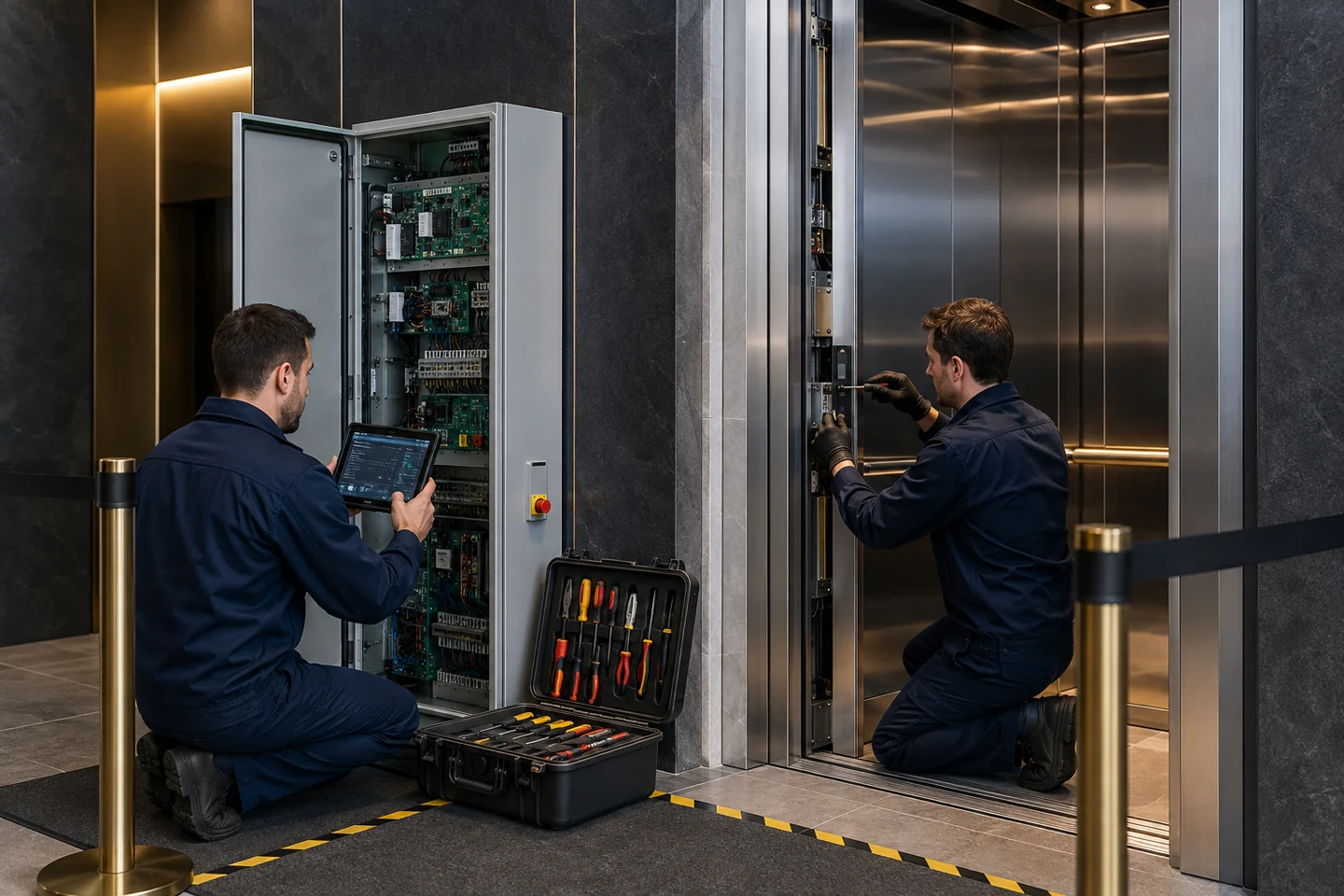
Repair decisions follow technical investigation and an agreed corrective scope.
A reported symptom may have more than one possible cause. Systematic diagnosis helps define whether adjustment, repair, component replacement or a broader upgrade should be considered.
Record the symptoms, operating conditions, timing, fault history and any changes before the issue occurred.
Review relevant mechanical, electrical, door, control or safety-related areas under controlled conditions.
Explain the identified issue, proposed repair, required parts, limitations and any further investigation needed.
Carry out the authorised scope using appropriate workmanship and compatible components.
Perform applicable checks after repair and document the completed work or remaining recommendations.
Component availability, compatibility and the condition of the wider system must be confirmed before work is approved.
Operators, rollers, tracks, sensors, switches, interlocks and alignment-related issues.
Controller interfaces, position devices, buttons, indicators and selected communication components.
Applicable drive components, traction equipment and brake-related corrective work.
Guide shoes, alignment-related items and components affecting noise, vibration or ride behaviour.
Ropes or applicable suspension equipment and associated condition-based recommendations.
Operating panels, indicators, lighting, handrails and repairable cabin or landing elements.
Wiring, switches, sensors, travelling cables and other compatible electrical items.
Applicable door protection, interlocks, overload and emergency-function components.
Consistent records help identify repeat issues, plan repairs and recognise when modernisation or replacement deserves review.
Activities performed during the service visit.
Relevant findings noted during inspection.
Items requiring approval, monitoring or further investigation.
Recurring trends that may justify repair planning or modernisation review.
Maintenance capability and parts support are assessed for the specific product, brand, condition and available technical information.
Useful information before requesting a service review.
The appropriate service schedule depends on the elevator type, usage, environment, equipment condition, available manufacturer information and applicable project or regulatory requirements. FUJI-HITECH can review these factors before recommending a service approach.
Service feasibility must be assessed. We need to review the equipment type, condition, technical documentation, controller access, component compatibility and parts support before confirming an appropriate scope.
No. Maintenance can help identify developing issues and support equipment care, but it cannot eliminate every unexpected fault, external event, misuse, power issue or component failure.
Stop using the elevator if continued operation may be unsafe, follow the building’s established procedures and contact the responsible service provider. Do not attempt repairs or access restricted equipment without appropriate authority and competence.
Availability depends on the equipment brand, model, age and support status. Where the original part is unavailable, compatibility and the effect on the complete system must be reviewed before an alternative is proposed.
Modernisation may deserve review when faults repeat, parts become difficult to support, performance no longer suits the building or multiple major systems require investment. The decision should compare repair, upgrade and replacement options.
Send us the equipment details, service history and current concerns for a practical FUJI-HITECH maintenance or repair review.