Supportability
Review ageing, obsolete or difficult-to-source components and establish a clearer direction for future service.
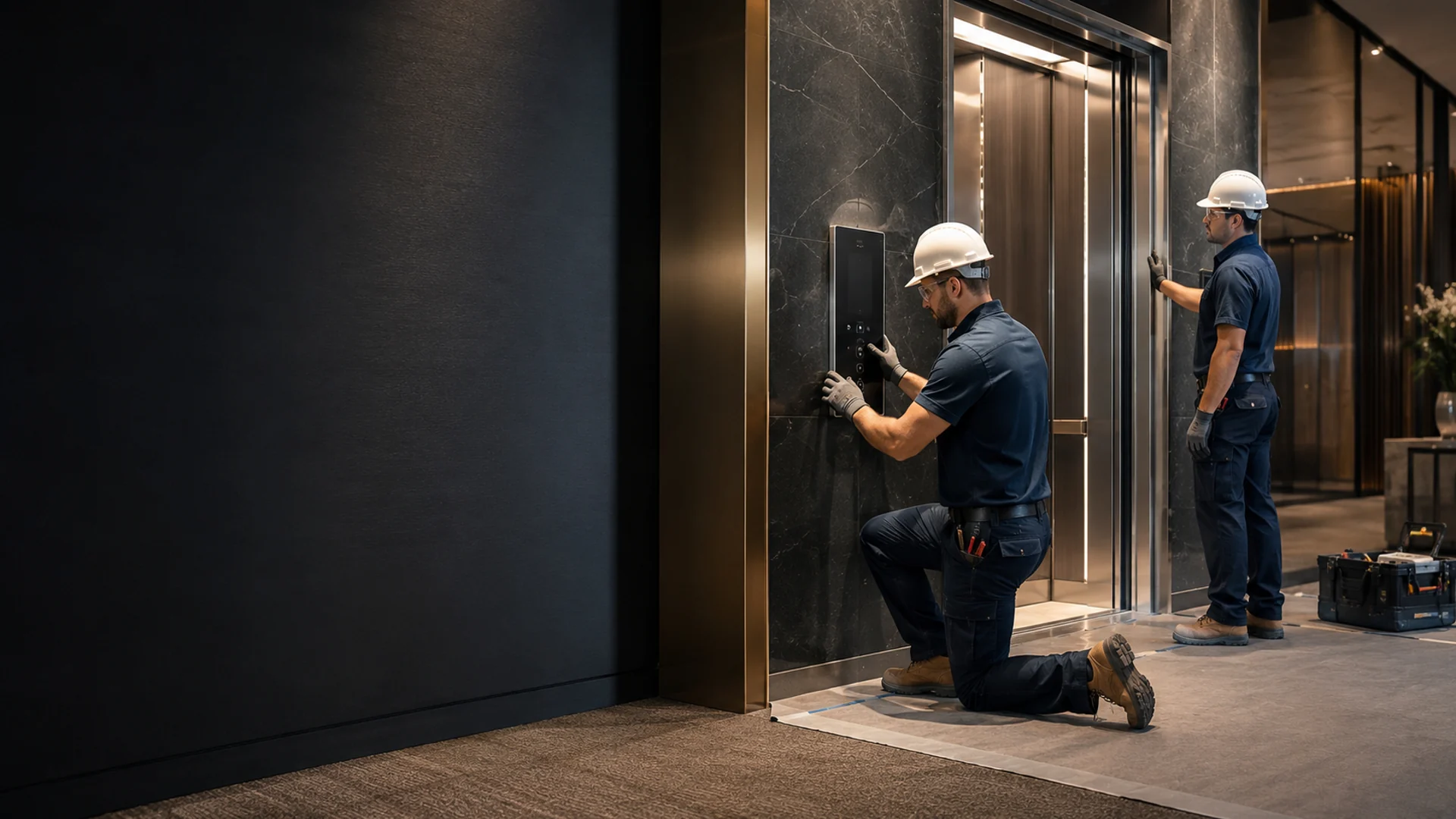
Condition-led elevator upgrades designed to improve supportability, operation, user experience and long-term building performance.
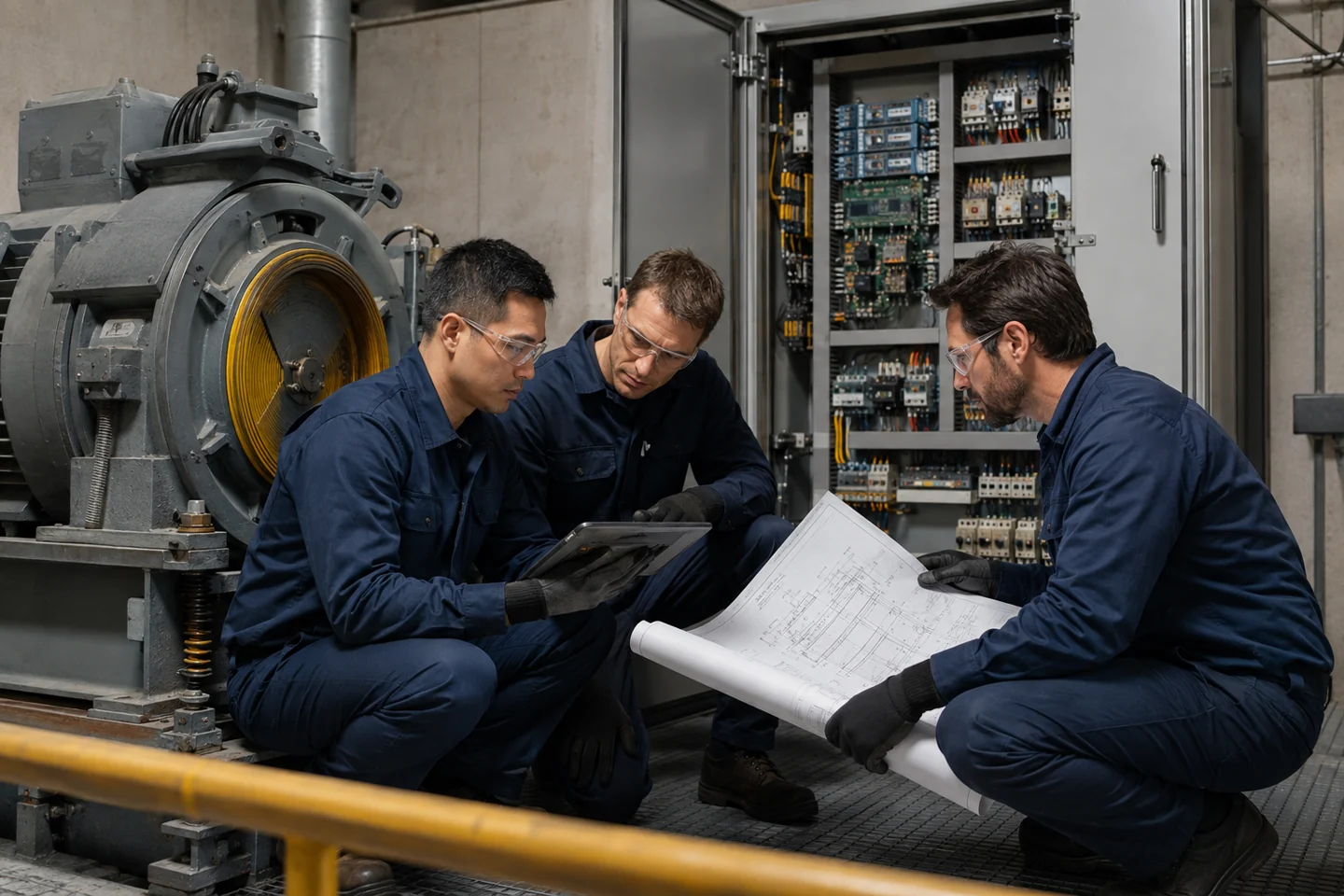
As elevator equipment ages, recurring faults, obsolete components, changing building needs and declining user experience may justify a broader review. Modernisation can renew selected systems while retaining suitable equipment where responsible and compatible.
Review ageing, obsolete or difficult-to-source components and establish a clearer direction for future service.
Address recurring issues, door behaviour, ride quality, levelling, controls and building-operation priorities.
Coordinate new fixtures, indicators, cabin finishes, entrances and accessibility-related improvements within scope.
The right answer depends on equipment condition, compatibility, supportability, building needs and whole-of-project value.
Appropriate where the wider system remains serviceable and the issue can be responsibly resolved without broader renewal.
Suitable where major components or user interfaces need coordinated improvement while verified equipment can remain.
May offer better value where condition, incompatibility, performance, supportability or required change is too extensive.
Important: A website cannot determine the correct investment path. FUJI-HITECH reviews the existing elevator, available records and project priorities before recommending repair, staged modernisation or replacement.
The final scope depends on technical compatibility, retained equipment, building interfaces and agreed project outcomes.
Control architecture, drive equipment, position devices and associated electrical interfaces.
Machine, sheaves, applicable brake interfaces and compatible drive-related renewal.
Car and landing doors, operator, tracks, rollers, sensors, protection and interlock interfaces.
Guide shoes, rails, ropes or applicable suspension components and related condition items.
Wall panels, ceiling, lighting, flooring, handrails, mirrors and selected cabin details.
Car and landing panels, push buttons, displays, signals and compatible communication interfaces.
Applicable door protection, emergency operation and selected safety-related system interfaces.
Entrance finishes, jambs, doors and coordinated visual treatment at selected landings.
Benefits depend on the selected scope, retained equipment and existing building conditions.
Replace selected ageing or obsolete systems with maintainable compatible equipment.
Address control, levelling, door and ride issues included in the approved upgrade scope.
Introduce contemporary panels, indicators, lighting, finishes and selected accessibility features.
Create a coordinated plan for retained, renewed and future-stage equipment.
The modernisation strategy can reflect building operations, available shutdown periods, technical dependencies and investment priorities.
Single-Stage Modernisation Coordinate the approved upgrade systems within one defined project and shutdown programme.
Staged Modernisation Sequence compatible upgrade packages over planned phases while managing dependencies between retained and new equipment.
Portfolio Programme Establish a consistent direction across multiple elevators or sites while allowing project-specific technical scopes.
A structured process connects technical findings, building priorities and the final upgrade scope.
Discuss issues, usage, downtime, user needs, budget direction and desired lifecycle outcomes.
Review equipment condition, configuration, records, supportability and building interfaces.
Consider repair, targeted upgrades, staged modernisation and replacement where appropriate.
Identify what remains, what changes and which interfaces or dependencies require coordination.
Plan shutdowns, delivery, protection, builder works, services and building communication.
Complete the approved modernisation work under a controlled installation sequence.
Adjust and verify the modernised system against the agreed project and testing scope.
Close agreed items, provide relevant completion information and transition to ongoing support.
Modernisation often takes place in occupied buildings. Access, shutdowns, protection and communication are therefore part of the project—not afterthoughts.
Define expected work periods, testing activities and return-to-service milestones.
Help the building team plan notices, access guidance and stakeholder coordination.
Consider other elevators, stairs and arrangements for mobility, goods or critical users.
Control work zones, delivery routes, noise, dust and protection of retained finishes.
Coordinate builder, electrical, fire, communications and architectural responsibilities.
Plan testing, defect closure and operational transition around the agreed programme.
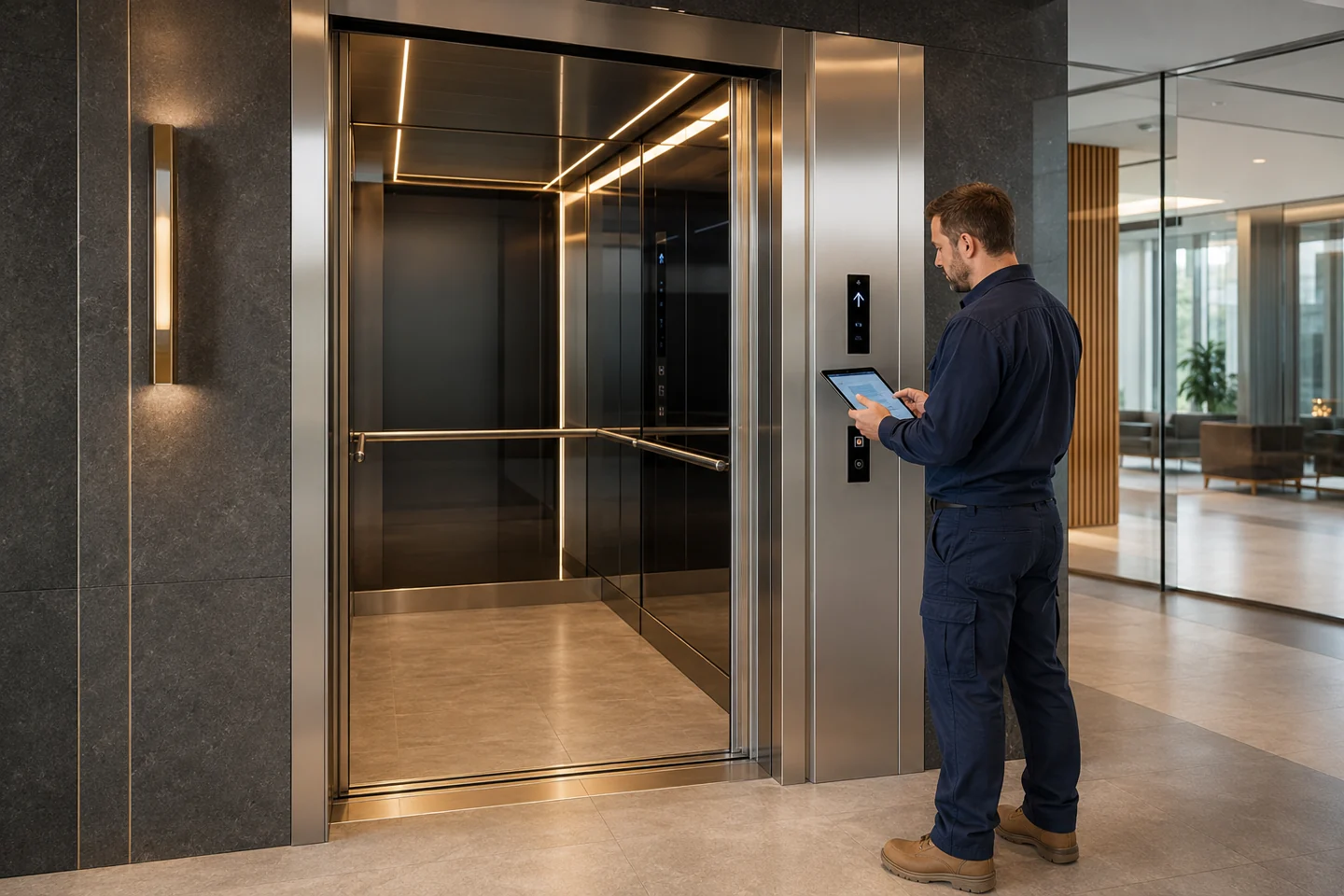
The completed elevator combines retained and new systems under one coordinated project scope.
Modernisation changes important relationships between controls, doors, drive equipment, fixtures and retained components. Integration, adjustment and commissioning are therefore essential before operational handover.
Selected operating logic, fixtures, signals and position information.
Movement, stopping, floor alignment and ride observations.
Car and landing-door movement, timing and protection interfaces.
Applicable upgraded and retained safety-related functions within scope.
Power, communication, emergency and other agreed project connections.
Relevant results, outstanding items and agreed handover records.
We can begin with the information available and identify what requires inspection or further confirmation.
Key questions about scope, retained equipment and project planning.
A review may be appropriate where faults recur, major components are ageing or difficult to support, user experience has declined, building needs have changed or planned investment is preferable to repeated corrective work.
Not always. Suitable equipment may remain while selected control, drive, door, fixture, cabin or safety-related systems are renewed. Retention must be technically verified and compatible with the modernised system.
Potentially. A staged programme must account for dependencies between existing and new components, safe interim operation, future compatibility, shutdown planning and the overall lifecycle strategy.
Modernisation normally requires planned shutdown periods. Duration and availability depend on the approved scope, equipment, building conditions, parts, testing and programme. Alternative access should be coordinated before work begins.
Cosmetic work may sometimes be considered separately, but weight, clearances, lighting, fire performance, interfaces and the condition of the wider elevator still need review. Visual renewal alone does not resolve mechanical or control limitations.
No. The correct comparison considers retained-equipment condition, required upgrades, compatibility, shutdowns, future maintenance and expected service value. Full replacement may be more appropriate for extensively aged or unsuitable systems.
Send us the equipment information, service history and building priorities for a practical FUJI-HITECH upgrade review.